
Plastic is everywhere around us. We use plastic bottles, bags, food containers, and many other items every day. But after using them, most plastic becomes waste. This waste harms the environment, animals, rivers, and even human health. That is why the government has made strict rules for managing plastic waste. One important step in this process is getting an EPR Registration Certificate.
In simple words, EPR means Extended Producer Responsibility. It means companies that make or sell plastic products are also responsible for collecting and recycling the plastic waste created by their products.
What is an EPR Registration Certificate?
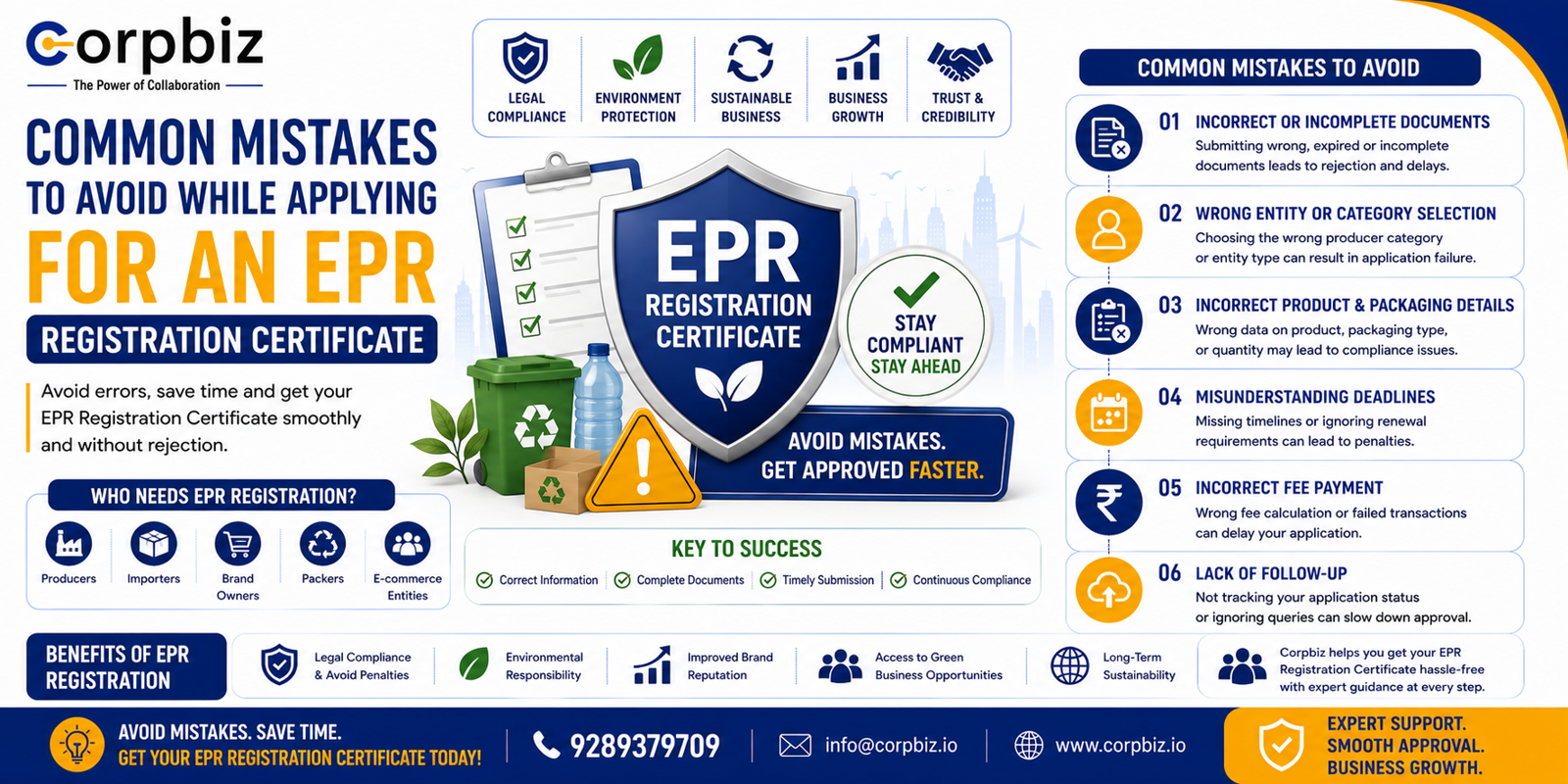
An epr registration certificate is a legal approval given by the Pollution Control Board. It is required for manufacturers, importers, brand owners, and businesses that use plastic packaging.
This certificate shows that the company is following government rules for plastic waste management. Without EPR registration, businesses may face penalties or legal problems.
Today, many companies are applying for EPR registration because people are becoming more aware of environmental protection.
Why is EPR Important for Plastic Waste Management?
1. Helps Reduce Plastic Pollution
Plastic waste is increasing every year. Many plastic items are thrown on roads, in rivers, and open areas. With an EPR system, companies are encouraged to collect and recycle plastic waste properly.
This helps keep cities cleaner and reduces pollution.
2. Encourages Recycling
The main goal of an epr registration certificate is to improve recycling. When companies recycle plastic waste, less plastic goes into landfills.
Recycling also saves natural resources and energy.
3. Protects Nature and Animals
Animals often eat plastic waste by mistake. This can seriously harm them. Plastic waste also damages soil and water.
By following EPR rules, businesses help protect nature and create a safer environment.
4. Builds a Responsible Business Image
Customers today like companies that care about the environment. Businesses with EPR registration show responsibility and gain customer trust.
It also improves brand reputation in the market.
What is Plastic Waste Authorization?
Along with EPR registration, many businesses also need plastic waste authorization. This authorization is given under Plastic Waste Management Rules.
It allows businesses to handle, recycle, manufacture, or dispose of plastic waste legally.
A company involved in plastic-related activities should follow all government guidelines to avoid legal issues.
How Corpbiz Helps Businesses
Getting an epr registration certificate or plastic waste authorization can sometimes be confusing because of legal documents and government procedures.
This is where Corpbiz helps businesses. Corpbiz provides professional support for EPR registration, compliance, documentation, and approvals.
Their experts guide businesses step-by-step and help them complete the process smoothly.
Importance of Section 8 Company in Environmental Work
Many people and organizations working for environmental protection choose to register a section 8 company.
A Section 8 Company is a non-profit organization formed for social welfare, education, charity, or environmental protection.
These companies work to spread awareness about recycling, waste management, and environmental safety.
They can also work on projects related to plastic waste management and sustainability.
What is 12A and 80G Registration?
Non-profit organizations often apply for 12a and 80g registration to receive tax benefits.
12A registration helps NGOs get income tax exemption.
80G registration allows donors to claim tax benefits on donations.
Organizations working on environmental protection and plastic waste management can benefit from these registrations.
This support helps NGOs continue their important work for society and nature.
Final Thoughts
Plastic waste is a serious problem, but small responsible actions can create a big difference. An epr registration certificate is not just a legal requirement; it is an important step toward a cleaner and greener future.
Businesses that follow EPR rules help reduce pollution, support recycling, and protect the environment. Along with plastic waste authorization, companies can operate responsibly and legally.
Organizations like section 8 company and NGOs with 12a and 80g registration also play a big role in spreading environmental awareness.
With expert guidance from Corpbiz, businesses can easily complete EPR registration and contribute to better plastic waste management in India.
Author Profile
Gaurav Sharma
Gaurav Sharma is an experienced legal consultant associated with Corpbiz. He specializes in business registrations, environmental compliance, EPR registration, and legal advisory services.

Write a comment ...